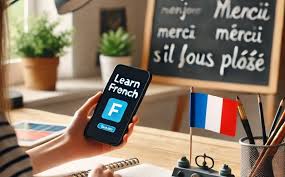
Learning French requires more than memorizing vocabulary; it involves developing listening, speaking, reading, and writing skills. A well-designed language learn french app focuses on all aspects of communication while fostering confidence in real-life conversations. Features like interactive exercises, voice recognition, and contextual learning help learners engage actively, rather than passively absorbing information.
An effective French learning app provides structured lessons, gradually increasing complexity while reinforcing previously learned material. It emphasizes practical usage, including common phrases, everyday conversations, and cultural nuances. This approach allows users to progress from basic comprehension to confident, fluent communication.
How Can Apps Enhance Conversational Skills in French?
Conversational skills are essential for meaningful communication. Language apps enhance these skills by simulating dialogues, offering pronunciation feedback, and encouraging active responses. Users practice speaking with native-like accuracy, which builds confidence over time.
Interactive features such as role-playing scenarios, real-time speaking exercises, and chatbot interactions replicate real-life situations. Learners are challenged to respond naturally, improving fluency and reducing hesitation in actual conversations. By practicing regularly, users can transition from understanding words to expressing ideas effortlessly.
Why Is Confidence Important in Language Learning?
Confidence is a key component of language acquisition. Even with a strong vocabulary, hesitation or fear of making mistakes can hinder progress. A French learning app builds confidence by providing immediate feedback, encouraging trial-and-error learning, and celebrating small achievements.
Gamified features such as streaks, badges, and progress tracking motivate users to continue practicing. Confidence grows as learners realize they can communicate effectively, understand native speakers, and navigate conversations without constant translation or self-doubt.
What Features Should a French Learning App Include?
A comprehensive French learning app should include:
- Vocabulary and Grammar Modules: Structured lessons for foundational knowledge.
- Listening Exercises: Audio clips of native speakers to improve comprehension.
- Speaking Practice: Pronunciation exercises and speech recognition feedback.
- Interactive Conversations: Simulated dialogues to practice real-life scenarios.
- Cultural Insights: Contextual understanding of language usage and traditions.
- Progress Tracking: Tools to monitor improvement and reinforce learning.
Combining these features ensures a well-rounded approach, allowing users to develop fluency, accuracy, and confidence.
How Does Gamification Improve Language Retention?
Gamification enhances engagement and retention by turning learning into a rewarding experience. Points, levels, challenges, and timed exercises motivate users to practice consistently.
For French learners, gamified exercises encourage repeated use of vocabulary and grammar in context, reinforcing memory. Immediate feedback on exercises helps correct mistakes, solidifying learning. Gamification also introduces an element of fun, reducing stress and making the learning process more enjoyable.
Can Daily Practice Accelerate Learning?
Consistency is essential for language acquisition. Daily practice helps reinforce patterns, strengthens memory, and develops automaticity in speaking and understanding. A French learning app encourages daily engagement through notifications, short lessons, and achievable milestones.
Even brief daily sessions can lead to significant progress over time. Consistent practice builds muscle memory for pronunciation, improves comprehension, and gradually develops conversational fluency. Daily exposure also familiarizes learners with sentence structures and idiomatic expressions, enhancing real-world communication.
What Role Does Pronunciation Feedback Play?
Pronunciation is critical in French, where subtle differences in sounds can change meanings. Apps with speech recognition technology provide instant feedback, helping learners identify and correct errors.
By practicing pronunciation in real-time, users develop clarity and accuracy, reducing misunderstandings. Repeated correction and reinforcement train the ear and vocal muscles, building natural-sounding speech patterns that are essential for confident conversation.
How Can Interactive Dialogues Build Fluency?
Interactive dialogues simulate real-life conversations, requiring learners to respond appropriately to questions, prompts, or situational cues. This practice reinforces vocabulary, grammar, and contextual usage.
French learning apps often use branching scenarios where user responses influence the conversation. These exercises teach adaptive thinking and conversational flexibility, helping learners respond spontaneously and confidently in actual interactions.
Why Is Cultural Context Important in Learning French?
Language is inseparable from culture. Understanding cultural context ensures that learners use expressions appropriately, grasp nuances, and communicate respectfully. French learning apps incorporate cultural insights such as customs, idioms, and social etiquette.
Cultural awareness enhances comprehension and conversation quality. For example, knowing formal and informal greetings, polite phrasing, or regional variations improves communication and reduces awkward misunderstandings. Learners gain not only linguistic proficiency but also cultural literacy.
Can Multimedia Improve Engagement in Learning French?
Multimedia, including videos, audio clips, and interactive exercises, creates an immersive learning environment. Listening to native speakers, watching dialogues, and engaging with visual content enhances comprehension and retention.
French learning apps often integrate multimedia to simulate real-world experiences. Users hear pronunciation nuances, observe body language, and understand contextual cues. This multi-sensory approach accelerates learning, making the language more memorable and intuitive.
How Can Adaptive Learning Personalize the Experience?
Adaptive learning tailors lessons to individual skill levels, learning speed, and areas of difficulty. French apps analyze performance data and adjust content to maximize learning efficiency.
By focusing on weaknesses while reinforcing strengths, adaptive systems prevent frustration and boredom. Users receive challenges that are neither too easy nor too hard, ensuring continuous growth and engagement. Personalized learning paths promote confidence and accelerate fluency development.
What Techniques Help Retain French Vocabulary?
Retention relies on repetition, context, and active recall. Apps often use spaced repetition systems (SRS) to present vocabulary at optimal intervals, reinforcing memory.
Contextual exercises, such as sentence completion or role-playing dialogues, integrate new words into meaningful situations. Active engagement, rather than passive memorization, ensures that vocabulary becomes usable in conversation. Consistent review and application strengthen long-term retention.
How Does Progress Tracking Motivate Learners?
Tracking progress allows learners to visualize improvement, set goals, and celebrate achievements. French apps provide dashboards showing completed lessons, streaks, and mastery levels.
Seeing measurable progress boosts motivation and reinforces the habit of daily practice. Users are more likely to stay committed when they recognize tangible growth in their conversational skills, pronunciation, and comprehension.
Can Social Features Enhance Learning?
Social features like discussion forums, language exchange, or group challenges foster peer learning. Learners can practice French with other users, share tips, and engage in friendly competition.
Collaborative learning improves confidence and conversational ability. Social interaction simulates real-world usage and encourages learners to apply their skills actively rather than passively consuming content.
What Role Does Listening Comprehension Play in Conversation?
Listening comprehension is essential for understanding native speakers. French apps provide audio exercises, podcasts, and dialogues to develop this skill.
Regular exposure to spoken French, including various accents and speeds, trains the ear to recognize patterns, intonation, and colloquial expressions. Improved listening comprehension directly supports fluent and confident conversations.
How Can Mistake-Friendly Learning Build Confidence?
Allowing learners to make and correct mistakes encourages experimentation and reduces fear. French apps provide immediate feedback, highlighting errors without penalizing users harshly.
This approach fosters resilience and confidence. Learners understand that mistakes are part of the process, promoting risk-taking and more natural language usage in real conversations.
Can Mobile Accessibility Increase Learning Opportunities?
Mobile accessibility allows learners to practice French anywhere, anytime. Short lessons, flashcards, and interactive exercises fit into daily routines, increasing overall exposure and consistency.
Flexible access encourages frequent practice, reinforcing skills through repetition. Mobile apps also integrate notifications and reminders, keeping learners engaged and motivated to maintain daily learning habits.
What Are the Advantages of a Structured Curriculum in a French App?
A structured curriculum provides clear progression, ensuring that learners master foundational skills before advancing. Lessons often start with essential vocabulary and grammar, gradually introducing more complex structures and conversational scenarios.
Structured progression builds confidence and prevents gaps in understanding. Users gain a sense of achievement as they complete modules, motivating them to continue learning and applying French in conversations.
How Can Supplementary Exercises Reinforce Learning?
Supplementary exercises such as quizzes, writing prompts, and pronunciation drills reinforce core lessons. These activities promote active engagement, allowing learners to apply knowledge in multiple contexts.
Repetition across different formats strengthens retention and builds versatile language skills. Consistently practicing comprehension, speaking, and writing ensures that learners develop well-rounded communication abilities.
Conclusion: How Can a French App Help You Speak Confidently?
A well-designed French learning app integrates interactive exercises, speech recognition, cultural context, and adaptive learning to develop confident conversational skills. By combining structured lessons, multimedia resources, and consistent practice, learners progress from basic comprehension to fluent expression.
Daily engagement, progress tracking, and supportive feedback build confidence and reduce hesitation in real-life conversations. Social interaction, role-playing, and gamified elements further enhance motivation and retention.
For anyone aiming to speak French confidently and naturally, using a dedicated app provides an efficient, engaging, and flexible approach. With consistent practice and immersive features, learners can achieve conversational fluency, enjoy cultural understanding, and gain the skills necessary to communicate effectively in a variety of real-world situations.