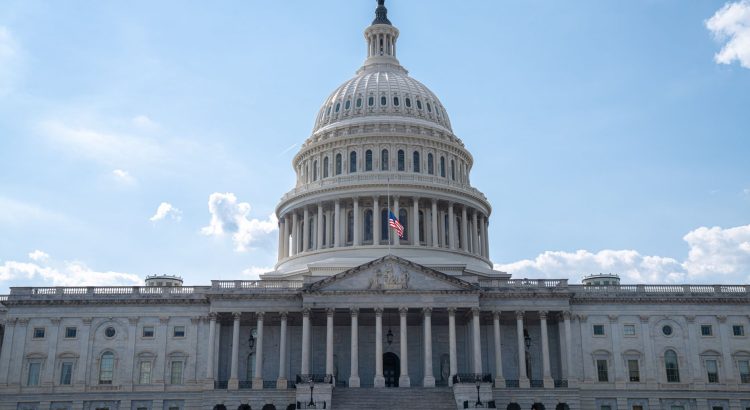
Music legislation Congress is a hot topic right now as several important bills are being debated. This article provides an overview of the key proposals and their implications for the music industry.
Overview of Current Music Legislation
The current landscape of music legislation in Congress is dynamic, with several bills aimed at addressing key issues affecting artists, producers, and the industry as a whole. As music legislation continues to evolve, stakeholders are keeping a close eye on developments that could significantly impact copyright laws, streaming revenue, and artist rights.
Among the notable bills being discussed are:
- The Music Modernization Act: This act seeks to update copyright laws to ensure that songwriters and musicians receive fair compensation for their work in the digital age.
- The Transparency in Music Licensing Act: This legislation aims to provide clarity on how music licensing fees are distributed, ensuring that artists are fairly compensated.
- The Fair Play Fair Pay Act: This bill advocates for performance rights for artists, requiring radio stations to pay musicians for airplay, aligning with practices already in place for songwriters.
As Congress deliberates these music-related bills, the implications for the industry could be profound, making it crucial for music professionals to stay informed and engaged with the legislative process.
Key Bills in Congress
As Congress deliberates on various music legislation, several key bills are gaining traction and warrant close attention. These proposals aim to address pressing issues within the music industry and bolster the rights of artists and creators.
- The American Music Fairness Act: This bill seeks to ensure that terrestrial radio stations compensate artists for their work, aligning radio royalties with the digital streaming model.
- The Music Licensing Modernization Act: Designed to streamline the licensing process for music creators, this legislation aims to update outdated laws that hinder fair compensation.
- The Copyright Alternative in Small Claims Enforcement (CASE) Act: This bill proposes a new small claims system to help songwriters and artists enforce their copyrights without bearing the heavy costs of litigation.
- The Protecting the Right of Tribes Act: Focused on Native American artists, this legislation aims to protect the cultural heritage and rights of indigenous musicians.
These key bills in Congress highlight the critical need for music legislation that adapts to the evolving landscape of the industry and supports its numerous stakeholders.
Impact on the Music Industry
The current music legislation in Congress is poised to significantly impact the music industry, shaping how artists, producers, and consumers interact with music. As lawmakers debate key bills, the outcomes could redefine copyright laws, streaming royalties, and artist compensation.
Many stakeholders in the music industry are closely monitoring these developments, as the proposed legislation aims to address long-standing issues that have affected musicians and songwriters. Some of the notable impacts include:
- Increased Royalties: Proposed changes could ensure that artists receive fair compensation for their work, especially in the streaming era, where traditional revenue models have been disrupted.
- Copyright Reforms: The introduction of new copyright measures might provide better protection for creators, allowing them to maintain control over their intellectual property.
- Access to Funding: Certain bills aim to provide grants and financial support to independent artists, helping them navigate the challenges of a post-pandemic world.
- Transparency in Contracts: Enhanced transparency requirements could empower artists to make more informed decisions about their agreements with record labels and streaming platforms.
As Congress deliberates on these music-related bills, the future of the music industry hangs in the balance, underscoring the importance of legislative action.
What Artists Should Know
As artists navigate the evolving landscape of music legislation in Congress, it is crucial for them to stay informed about current bills that may impact their careers. Understanding the implications of these legislative changes can help artists advocate for their rights and adapt their strategies accordingly.
Here are some key points artists should consider:
- Royalties: Proposed changes in royalty structures may affect how artists are compensated for their work on streaming platforms. Artists should be aware of bills that aim to reform these systems.
- Copyright Protection: Ongoing discussions around copyright laws could significantly impact how artists protect their intellectual property. It’s essential to stay updated on any new legislation that could alter these protections.
- Funding Opportunities: Some bills aim to provide funding for music education and support programs. Artists should explore how they can benefit from these initiatives.
- Advocacy: Engaging with advocacy groups and lobbying efforts can amplify an artist’s voice in Congress, ensuring their interests are represented in music legislation.
By remaining proactive and informed, artists can better navigate the complexities of music legislation in Congress and safeguard their creative futures.
Public Response to Music Bills
The public response to recent music legislation in Congress has been overwhelmingly passionate, reflecting the deep connection many individuals have with the music industry. As various bills progress through the legislative process, artists, fans, and industry professionals are voicing their opinions and concerns.
Many supporters argue that the proposed legislation could lead to significant positive changes, including:
- Fair compensation for artists and songwriters, ensuring they receive appropriate royalties.
- Increased funding for music education programs, which are crucial for nurturing the next generation of musicians.
- Protection of digital rights to combat piracy and ensure creators are rewarded for their work.
On the other hand, some critics fear that certain aspects of the legislation may inadvertently stifle creativity or place undue burdens on independent artists. This divide highlights the complexity of music legislation in Congress, where the interests of various stakeholders often clash. As discussions continue, public engagement remains vital, with many advocating for a balanced approach that supports both artists and the evolving landscape of the music industry.
Future of Music Legislation
The future of music legislation in Congress is a pivotal topic as lawmakers continue to address the evolving needs of the music industry. With technological advancements and changing consumption habits, several proposed bills aim to modernize copyright laws and ensure fair compensation for artists.
Among the key areas of focus are:
- Digital Royalties: Proposals to ensure artists receive equitable payments from streaming platforms are gaining traction, emphasizing the need for transparency in royalty distribution.
- Fair Pay for Musicians: Legislation aimed at improving payment structures for live performances is being discussed, aiming to support local musicians and small venues.
- Intellectual Property Protections: Lawmakers are exploring stronger protections for songwriters and composers, ensuring their rights are upheld in an increasingly digital landscape.
As Congress debates these crucial issues, advocacy from industry professionals and public support will play significant roles in shaping the outcome of music legislation. The trajectory of these bills will ultimately impact how artists create, distribute, and monetize their work in the years to come.
How to Stay Informed
Staying informed about the latest developments in music legislation Congress is crucial for artists, industry professionals, and fans alike. Here are some effective ways to keep up with changes in music-related bills:
- Follow Industry News: Subscribe to newsletters from reputable music industry organizations and publications that focus on legislative updates.
- Engage with Advocacy Groups: Many organizations advocate for musicians’ rights, providing insights into upcoming legislation and ways to get involved.
- Attend Webinars and Workshops: Educational events often cover the implications of new bills and how they affect the music industry.
- Utilize Social Media: Platforms like Twitter and LinkedIn can be valuable for real-time updates from lawmakers and music advocates.
- Monitor Congressional Websites: Official government websites list current bills and allow you to track their progress through Congress.
By following these strategies, stakeholders in the music industry can ensure they remain knowledgeable about music legislation Congress and its potential impact on their careers and the broader industry landscape.
Conclusion and Next Steps
As we reflect on the current landscape of music legislation in Congress, it is clear that the bills under consideration hold significant implications for artists, industry stakeholders, and fans alike. The momentum generated by recent discussions highlights the importance of remaining engaged with the evolving legislative process.
The future of music legislation will depend heavily on public advocacy and the continued collaboration between lawmakers and the music community. Artists and supporters are encouraged to voice their opinions on the proposed bills, emphasizing the need for fair compensation models and equitable rights for creators.
Looking ahead, here are some essential next steps:
- Stay Informed: Follow updates on the progress of key bills through reliable news sources and advocacy organizations.
- Engage in Advocacy: Participate in campaigns that promote awareness and support for favorable music legislation.
- Communicate with Legislators: Reach out to your representatives to express your views on relevant music bills and their potential impact.
By taking these actions, stakeholders can help shape the future of the music industry in a way that benefits all involved.
As we delve into the current landscape of music legislation Congress, several key bills are gaining traction that could significantly impact artists and the industry. Keeping an eye on these developments in music legislation Congress will be essential for anyone invested in the future of music rights and royalties.
Photo by david hou on Pexels