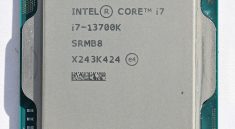
Intel ISPC 1.32 release brings exciting new features, including AVX10.2 and APX support, aimed at improving performance and efficiency for developers.
What’s New in Intel ISPC 1.32?
The recently launched Intel ISPC 1.32 release introduces several enhancements designed to elevate the development experience for programmers working with parallel computing. Among the most notable features are:
- AVX10.2 Support: This new support allows developers to leverage advanced vector extensions, significantly improving performance and efficiency for workloads that require heavy computation.
- APX Support: The inclusion of Application Programming Extensions (APX) enhances compatibility and flexibility, enabling developers to optimize their applications seamlessly across different architectures.
- AMD Zen 6 Compatibility: With the rise of AMD’s Zen 6 processors, the latest ISPC release ensures that developers can now harness the power of these processors, broadening the scope of applications that can benefit from ISPC’s parallel capabilities.
- Improved Documentation: Intel has revamped its documentation to assist developers in navigating new features and capabilities, making it easier to integrate the latest advancements into their projects.
These updates in the Intel ISPC 1.32 release signify Intel’s commitment to providing robust tools that meet the evolving demands of modern software development.
Key Features of Intel ISPC 1.32
The release of Intel ISPC 1.32 brings several enhancements and features that stand out for developers looking to optimize their applications. Here are the key features that users should take note of:
- AVX10.2 Support: This version introduces support for the latest AVX10.2 instruction set, allowing developers to leverage advanced vectorization techniques for better performance.
- APX Support: The integration of APX (Advanced Performance Extensions) enables improved parallel processing capabilities, enhancing the efficiency of high-performance applications.
- AMD Zen 6 Compatibility: With support for AMD’s upcoming Zen 6 architecture, developers can now optimize their code for a broader range of platforms, ensuring versatility in software deployment.
- Improved Debugging Tools: Enhanced debugging features provide developers with better insights into their code, facilitating easier troubleshooting and performance tuning.
- Updated Libraries: The libraries have been updated to include new algorithms and optimizations, which can significantly reduce development time and improve runtime performance.
In summary, the Intel ISPC 1.32 release is packed with features that enhance performance and compatibility, making it an essential upgrade for developers in the field.
How AVX10.2 Enhances Performance
The release of Intel ISPC 1.32 introduces significant enhancements, particularly with the integration of AVX10.2. This advanced instruction set is designed to optimize performance across a range of applications, making it a noteworthy addition for developers.
AVX10.2 offers several benefits that can dramatically improve computational efficiency:
- Increased Throughput: By allowing more data to be processed simultaneously, AVX10.2 boosts the overall throughput of applications, reducing the time required for complex calculations.
- Improved Parallelism: The enhanced vector capabilities enable developers to exploit parallel processing more effectively, leading to faster execution of multi-threaded tasks.
- Optimized Resource Utilization: With better management of CPU resources, AVX10.2 helps in maximizing the performance of both Intel and AMD processors, including the upcoming Zen 6 architecture.
This makes the Intel ISPC 1.32 release particularly appealing for those looking to leverage cutting-edge technology in their development projects. By embracing these improvements, developers can achieve higher performance and efficiency in their software solutions.
APX Support: What You Need to Know
The release of Intel ISPC 1.32 brings significant advancements in APX support, a feature that developers need to understand for maximizing their applications’ performance. With APX, developers can leverage the latest hardware capabilities, ensuring that their programs run more efficiently on modern processors.
Key aspects of APX support in Intel ISPC 1.32 include:
- Enhanced Parallelism: APX allows for better resource management, enabling more parallel tasks to be executed simultaneously.
- Improved Compatibility: The new version provides seamless integration with existing codebases, making it easier for developers to adopt this update.
- Optimized Performance: With APX, applications can benefit from reduced latency and increased throughput, particularly on Intel architectures.
Additionally, the incorporation of APX support in Intel ISPC 1.32 means that developers can now target not only Intel hardware but also adapt their work for AMD’s upcoming Zen 6 architecture. This flexibility is crucial in a competitive landscape where performance and compatibility are paramount.
Overall, the Intel ISPC 1.32 release with enhanced APX support represents a powerful tool for developers looking to optimize their applications effectively.
Comparison with AMD Zen 6
The release of Intel ISPC 1.32 has sparked interest not only among Intel developers but also in comparison with AMD’s latest architecture, Zen 6. Both platforms aim to enhance performance and efficiency, yet they take different approaches to achieve these goals.
Intel ISPC 1.32 introduces several features that stand out when juxtaposed with AMD Zen 6:
- Performance Optimization: With the integration of AVX10.2, Intel ISPC 1.32 allows developers to harness advanced vectorization techniques, potentially outpacing AMD’s offerings in specific workloads.
- APX Support: The addition of APX support in Intel ISPC 1.32 streamlines parallel processing, which could give it an edge over the threading capabilities seen in Zen 6.
- Developer Ecosystem: Intel’s robust developer tools and community support may provide an easier learning curve for those transitioning from other platforms compared to AMD’s evolving ecosystem.
While AMD Zen 6 presents compelling advantages, particularly in multi-threaded applications, the targeted enhancements in Intel ISPC 1.32 could make it a preferred choice for developers focused on optimizing performance for specific tasks.
User Reactions to Intel ISPC 1.32
User reactions to the Intel ISPC 1.32 release have been overwhelmingly positive, with many developers expressing excitement about the new features and performance improvements. The introduction of AVX10.2 has particularly caught the attention of those working on high-performance applications.
Many users took to social media and forums to share their experiences:
- Performance Boost: Several developers reported significant gains in processing speed, noting that the AVX10.2 enhancements allowed them to optimize their workloads effectively.
- Ease of Use: The new version’s user-friendly interface has been highlighted as a major benefit, making it easier for developers to integrate Intel ISPC 1.32 into their existing projects.
- Compatibility: Feedback has also focused on the improved APX support, which has simplified the development process for many, allowing seamless transitions between different architectures.
Despite some minor bugs reported during initial usage, the overall sentiment indicates that Intel ISPC 1.32 is a robust tool for developers looking to enhance their software’s performance and efficiency. As users continue to explore its capabilities, the release is likely to solidify Intel’s standing in the competitive landscape.
Future of Intel ISPC Development
The future of Intel ISPC development looks promising as the latest release, Intel ISPC 1.32, sets the stage for further enhancements and features that cater to developers’ needs. With the introduction of AVX10.2 and APX support, Intel is clearly focusing on optimizing performance and efficiency, which are key requirements in modern computing environments.
Developers can expect ongoing improvements in parallel programming capabilities, which is crucial for tackling increasingly complex workloads. The emphasis on cross-platform compatibility is likely to remain a priority, allowing for seamless integration across various architectures.
In addition to performance boosts, Intel may explore new ways to leverage machine learning and artificial intelligence within ISPC, further enhancing its utility in data-intensive applications. As industries increasingly rely on high-performance computing, the need for tools like Intel ISPC will grow.
Moreover, feedback from the developer community is vital. Intel has shown responsiveness to user reactions, which may lead to a more refined roadmap for future releases. Continued support and updates will ensure that Intel ISPC remains a competitive choice in the evolving landscape of programming tools.
Conclusion: Is Intel ISPC 1.32 Worth It?
In conclusion, the Intel ISPC 1.32 release brings significant enhancements that can greatly benefit developers seeking improved performance and efficiency in their applications. With the introduction of features such as AVX10.2 and APX support, users can expect notable boosts in computation speed and resource management.
Many developers have expressed positive feedback about the new capabilities, particularly highlighting:
- Performance gains: The AVX10.2 integration allows for accelerated processing, making complex tasks faster and more efficient.
- Enhanced compatibility: APX support simplifies the development process, enabling smoother transitions for applications leveraging this technology.
- Competitive edge: Compared to AMD Zen 6, Intel ISPC 1.32 demonstrates a robust performance, positioning it favorably in the market.
While some users have raised concerns about adaptation time and learning curves, the overall sentiment indicates that the benefits outweigh the challenges. As developers continue to explore the capabilities of Intel ISPC 1.32, it appears to be a worthwhile investment for those looking to stay ahead in the rapidly evolving tech landscape.
The Intel ISPC 1.32 release introduces enhanced support for parallel programming, making it easier for developers to optimize their applications. Additionally, the Intel ISPC 1.32 release includes several new built-in functions that streamline the development process.
Photo by Matheus Bertelli on Pexels
References
Related reading
Official Mobile Announcement: What’s the Best Teaser Revealed? · OPPO Find X10 Series: The Best Launch Details You Need · iPhone Duo pre-order: Easy and Quick Setup Guide