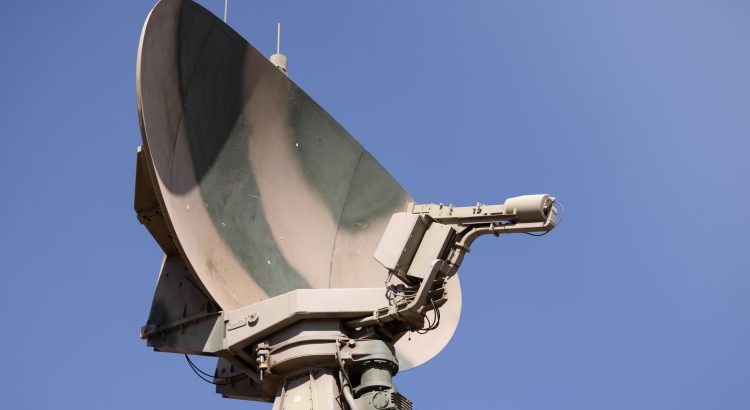
Titania military satellite is the newest addition to the UK’s space program, successfully launched into orbit. This innovative satellite aims to enhance military operations and capabilities.
Overview of the Titania Military Satellite
The recent launch of the Titania military satellite marks a significant advancement in the UK’s defense capabilities. Designed to enhance communication and surveillance, Titania is expected to play a crucial role in modern military operations.
One of the key features of the Titania military satellite is its advanced imaging technology, which allows for high-resolution reconnaissance. This capability enables the armed forces to gather vital intelligence in real-time, improving situational awareness during missions.
In addition to its imaging capabilities, Titania is equipped with secure communication systems that facilitate encrypted data transmission. This ensures that critical information remains protected from potential cyber threats, a growing concern in today’s digital warfare environment.
The satellite’s launch is part of a broader initiative to bolster the UK’s space infrastructure. As nations increasingly rely on satellite technology for defense and security, Titania represents a strategic investment in ensuring the UK’s position in the global arena.
In conclusion, the Titania military satellite not only showcases cutting-edge technology but also underscores the importance of innovation in maintaining national security and operational effectiveness.
What Makes Titania Unique?
The Titania military satellite stands out in the realm of space innovation due to several key features that enhance its operational capabilities.
Firstly, the satellite is equipped with state-of-the-art technology designed for advanced reconnaissance and communication. This capability allows for real-time data transmission, making it invaluable for military operations.
Additionally, the Titania military satellite utilizes cutting-edge sensors that can detect various environmental conditions, which is essential for mission planning and execution. These sensors provide crucial insights that help military strategists make informed decisions on the ground.
Another unique aspect is its modular design, which enables easy upgrades and adaptations to meet evolving threats. This flexibility ensures that the Titania remains relevant in a rapidly changing technological landscape.
The satellite’s launch was a significant milestone for the UK, marking its commitment to enhancing national security through space technology.
In summary, the Titania military satellite’s combination of advanced technology, real-time data capabilities, and modular design makes it a unique asset in modern warfare, setting a new standard for military satellites worldwide.
The Importance of Military Satellites
Military satellites play a crucial role in modern defense strategies, providing essential capabilities that enhance national security and operational effectiveness. The launch of the Titania military satellite marks a significant advancement in this domain, underscoring the importance of space-based assets in contemporary warfare.
These satellites serve various functions, including:
- Surveillance and reconnaissance: Gathering intelligence on enemy movements and activities.
- Communication: Enabling secure and reliable communication channels for military operations.
- Navigation: Providing accurate positioning data for troops and equipment on the ground.
- Missile warning: Detecting potential missile launches to provide early warning to defense systems.
The Titania military satellite stands out due to its advanced technology and capabilities, allowing forces to maintain a tactical advantage. As conflicts increasingly extend into space, the importance of these innovations cannot be overstated. With ongoing advancements in satellite technology, the military landscape is evolving, making it essential for nations to invest in reliable space assets.
Ultimately, military satellites, like Titania, are not just tools of war; they are integral to maintaining peace and security in an increasingly interconnected world.
Future Implications of Titania’s Launch
The launch of the Titania military satellite marks a significant milestone in the realm of defense technology and space innovation. As nations increasingly rely on satellite systems for various military operations, the implications of Titania’s capabilities are profound.
One of the primary future implications is the enhancement of data gathering and communication for military operations. With advanced imaging and communication technologies, Titania can provide real-time intelligence, potentially transforming how military strategies are developed and executed.
Moreover, the Titania military satellite is expected to strengthen national security by improving surveillance capabilities. This can lead to:
- Increased situational awareness: Military forces will have better insight into potential threats.
- Enhanced coordination: Collaboration between different branches of the military can be streamlined.
- Improved response times: Faster decision-making processes can be achieved with timely data.
Additionally, Titania may pave the way for further innovations in satellite technology, encouraging other nations to invest in their own military capabilities. As the landscape of warfare evolves, the Titania military satellite could become a key player in shaping future defense strategies.
Expert Opinions on Titania’s Capabilities
Experts in the field of aerospace and military technology are weighing in on the capabilities of the recently launched Titania military satellite. Many believe that Titania represents a significant advancement in satellite technology, particularly for military applications.
- Dr. Emily Carter, a leading aerospace engineer, commended Titania for its advanced imaging capabilities, stating, “The resolution and real-time processing power of Titania are unparalleled in the current market.”
- General Mark Thompson highlighted Titania’s role in enhancing situational awareness, noting, “With its ability to provide timely data, Titania will greatly improve our strategic decision-making.”
- Professor Linda Cheng discussed the satellite’s adaptability, explaining, “Titania can be reprogrammed for various missions, making it a versatile asset in our defense arsenal.”
- Dr. Robert Lee raised concerns about the implications of such technology, saying, “While Titania offers many benefits, we must also consider the potential arms race in space that could ensue.”
Overall, expert opinions suggest that the Titania military satellite is not just a leap in innovation but also a critical component for the future of military operations in space.
How Titania Compares to Other Satellites
The Titania military satellite has garnered attention for its advanced capabilities, prompting comparisons with other notable military satellites in use today. Its innovative technology positions it as a potential leader in the field of military space operations.
When evaluating Titania alongside its competitors, several key factors emerge:
- Surveillance Capabilities: Titania boasts enhanced imaging technologies, allowing for high-resolution data collection compared to older systems.
- Communication Efficiency: Unlike many traditional satellites, Titania utilizes advanced algorithms for real-time data transmission, facilitating quicker decision-making processes.
- Durability: The satellite is engineered to withstand harsh space conditions, thereby extending its operational lifespan beyond that of its predecessors.
- Integration with Existing Systems: Titania is designed to seamlessly integrate with current military frameworks, ensuring that it can be quickly adopted into various defense strategies.
Overall, the Titania military satellite stands out due to its combination of cutting-edge technology and strategic adaptability. As it begins its operational role, it may redefine the standards of military satellite capabilities, raising the bar for future innovations in space technology.
Photo by Magda Ehlers on Pexels