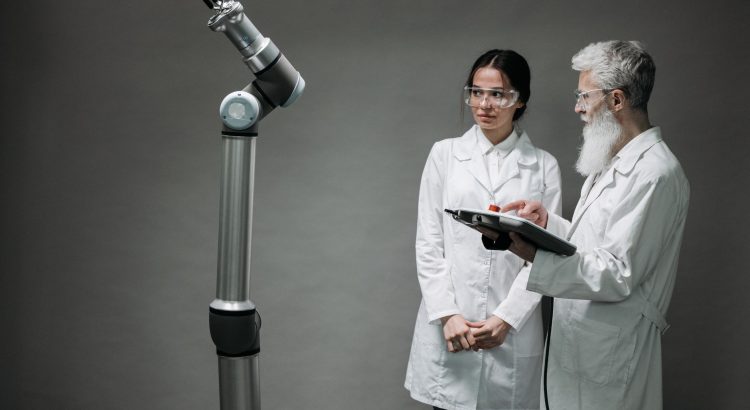
AI impact on workers is a crucial topic as the India-backed Institute for Human Flourishing launches during UNGA week. This initiative aims to shape how AI affects the workforce.
Understanding AI’s Role in Modern Workplaces
The integration of artificial intelligence in modern workplaces is reshaping the employment landscape. As companies adopt AI technologies, the impact on workers is becoming increasingly evident. AI can enhance productivity by automating repetitive tasks, allowing employees to focus on more complex responsibilities.
However, this shift raises concerns about job displacement and the need for reskilling. Workers must adapt to new tools and workflows to remain relevant in their roles. The recent launch of the India-backed Institute for Human Flourishing aims to address these challenges, promoting strategies that ensure a positive transition for employees in the age of AI.
Key strategies include:
- Providing training programs to upskill workers.
- Encouraging collaboration between AI systems and human workers.
- Fostering an inclusive workplace that values human input.
The Launch of the Institute for Human Flourishing
The recent launch of the Institute for Human Flourishing marks a significant step towards addressing the AI impact on workers. This initiative, backed by India, was introduced during the UN General Assembly week and aims to create a framework for harnessing artificial intelligence in ways that promote worker well-being.
Key objectives of the institute include:
- Developing guidelines for ethical AI deployment in workplaces.
- Promoting research on the effects of AI on job satisfaction and productivity.
- Creating resources for companies to implement positive AI strategies.
As AI technologies continue to evolve, the institute seeks to ensure that workers can thrive in an increasingly automated environment, ultimately fostering a future where technology enhances human potential rather than diminishes it.
Strategies for Positive Worker Impact
As AI continues to reshape industries, implementing effective strategies is crucial for mitigating its impact on workers. Organizations can adopt several approaches to ensure that the integration of AI leads to positive outcomes.
- Emphasize Training and Development: Providing employees with training programs can help them adapt to new technologies and enhance their skill sets.
- Encourage Employee Involvement: Involving workers in the decision-making process regarding AI implementation fosters a sense of ownership and reduces resistance.
- Focus on Job Redesign: Redefining roles to complement AI capabilities allows workers to engage in more meaningful tasks.
- Monitor Worker Well-being: Regular assessments of employee satisfaction can identify potential issues arising from AI integration.
By actively addressing the AI impact on workers, organizations can cultivate a more resilient and empowered workforce.
Future Trends in AI and Employment
The future of work is rapidly evolving, with AI technologies continuing to reshape various industries. As organizations increasingly adopt these advancements, the impact of AI on workers will become more pronounced. Experts predict several key trends that will influence this transition.
- Increased Collaboration: AI is expected to enhance human capabilities, allowing workers to collaborate more effectively with machines and improve productivity.
- Reskilling Initiatives: Companies will focus on reskilling their workforce to adapt to new technologies, ensuring employees remain relevant in an AI-driven landscape.
- Emphasis on Ethical AI: As the AI industry grows, there will be a greater emphasis on ethical considerations, ensuring that technology is used responsibly to benefit workers.
By anticipating these trends, businesses can better prepare for the changing dynamics of employment in the age of AI.
The ongoing research into the AI impact on workers reveals that proactive training programs can significantly ease the transition into new roles. Companies that prioritize understanding the AI impact on workers are better positioned to foster a collaborative environment between humans and machines.
Photo by Pavel Danilyuk on Pexels