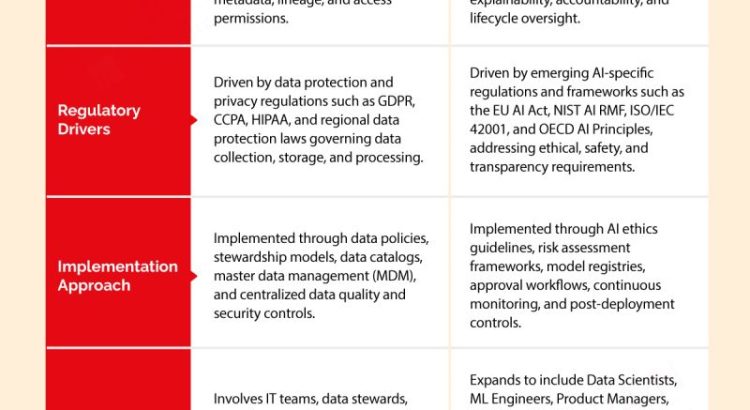
Enterprise AI governance is becoming essential as organizations adopt AI agents. LittleHorse’s new Saddle Command Center aims to streamline this process with innovative solutions.
Understanding Enterprise AI Governance
In the rapidly evolving landscape of technology, enterprise AI governance has emerged as a critical framework for organizations deploying artificial intelligence solutions. This governance encompasses the policies, procedures, and standards that guide the responsible use of AI while mitigating risks associated with its application.
Understanding enterprise AI governance is essential for organizations aiming to harness AI’s full potential without compromising ethical standards or compliance. Key components of this governance model include:
- Transparency: Organizations must ensure that AI systems are understandable and their decision-making processes are clear to stakeholders.
- Accountability: Establishing clear roles and responsibilities is vital. Organizations must identify who is accountable for AI outcomes.
- Compliance: Adhering to regulations and industry standards is necessary to maintain trust and protect organizational integrity.
- Risk Management: Identifying, assessing, and mitigating risks associated with AI deployments can prevent potential harm to the organization and its customers.
By focusing on these principles, organizations can create a robust framework for enterprise AI governance that not only aligns with their business goals but also fosters innovation while ensuring ethical practices. This balance is crucial for long-term success in an AI-driven future.
The Role of AI Agents in Business
The integration of AI agents into business processes has reshaped the landscape of enterprise operations. These intelligent systems are designed to perform tasks autonomously, making them invaluable for efficiency and scalability. However, the rise of AI agents also necessitates robust enterprise AI governance to ensure that their deployment aligns with organizational objectives and ethical standards.
AI agents can significantly enhance productivity by automating repetitive tasks and analyzing vast amounts of data. Nevertheless, without proper governance, these agents may operate outside the desired parameters, leading to unintended consequences. To mitigate these risks, organizations should consider the following strategies:
- Establish Clear Policies: Define guidelines on how AI agents should operate within the business framework.
- Implement Monitoring Systems: Utilize tools to track AI agent performance and ensure compliance with established policies.
- Foster Transparency: Ensure that stakeholders understand how AI agents make decisions and the data they use.
- Encourage Collaborative Development: Engage cross-functional teams to create AI solutions that meet diverse business needs.
By prioritizing enterprise AI governance, organizations can harness the full potential of AI agents while safeguarding against risks and fostering innovation.
Introducing Saddle Command Center
LittleHorse has introduced the Saddle Command Center, a groundbreaking platform designed to enhance enterprise AI governance. This innovative solution aims to provide businesses with a comprehensive framework to manage their AI agents effectively. By leveraging the power of business-as-code, organizations can ensure that their AI implementations align with their strategic objectives.
The Saddle Command Center offers several key features that facilitate better oversight and control of AI initiatives:
- Real-time Monitoring: Users can track AI agent performance and behavior in real-time, allowing for immediate adjustments and interventions when necessary.
- Compliance Management: The platform helps organizations adhere to regulatory requirements by providing tools to measure compliance and ensure best practices are followed.
- Customizable Workflows: Businesses can tailor the command center to fit their unique processes, ensuring that AI governance aligns with their operational needs.
- User-friendly Interface: Designed with accessibility in mind, the platform allows users of varying technical expertise to navigate and utilize its capabilities efficiently.
With the launch of the Saddle Command Center, enterprises can take significant strides toward effective AI governance, ensuring that their AI agents operate in a manner that is ethical, transparent, and aligned with overall business goals.
Benefits of Business-as-Code
The adoption of Business-as-Code within the framework of enterprise AI governance offers several compelling benefits that can enhance organizational efficiency and decision-making processes.
- Increased Agility: By leveraging Business-as-Code, businesses can adapt quickly to changing market conditions. This flexibility allows organizations to deploy AI solutions that align with evolving business strategies.
- Enhanced Collaboration: Business-as-Code fosters collaboration between technical and non-technical teams. This alignment ensures that AI initiatives are consistently aligned with business goals, leading to improved outcomes.
- Improved Compliance: With a structured approach to AI governance, organizations can better manage compliance with regulations and internal policies. This mitigates risks associated with AI deployment and usage.
- Streamlined Processes: By integrating Business-as-Code, companies can automate routine tasks, which leads to more efficient workflows. This can significantly reduce operational costs and increase productivity.
- Better Insights: The use of AI agents within the Business-as-Code framework provides deeper insights into business operations. Organizations can leverage these insights to make informed decisions that drive growth.
Incorporating Business-as-Code into enterprise AI governance not only enhances operational capabilities but also positions organizations for long-term success in an increasingly complex digital landscape.
Challenges in AI Governance
As organizations increasingly adopt AI technologies, they face several challenges in implementing effective enterprise AI governance. These challenges can hinder the potential benefits of AI systems and can lead to risks that businesses must address.
- Compliance and Regulation: One major obstacle is ensuring compliance with rapidly evolving regulations. Organizations must stay informed about legal frameworks surrounding AI to avoid penalties.
- Data Management: Managing vast amounts of data is crucial. Poor data quality can lead to biased AI outcomes, making robust data governance essential in any enterprise AI strategy.
- Transparency: Many AI systems operate as “black boxes.” Achieving transparency in AI decision-making processes is a challenge, yet it is key to building trust among stakeholders.
- Skill Gaps: There is a significant skills gap in the workforce regarding AI capabilities. Training employees and attracting talent with the right expertise is vital for effective governance.
- Ethical Considerations: Ethical dilemmas arise when AI systems make decisions that impact lives. Establishing a framework for ethical AI use is necessary to avoid negative societal consequences.
Addressing these challenges is critical for the successful implementation of enterprise AI governance, allowing organizations to harness the full potential of AI technologies while minimizing risks.
Best Practices for AI Management
Effective management of AI technologies is crucial for organizations striving to implement enterprise AI governance successfully. Here are some best practices that can help streamline AI management:
- Establish Clear Policies: Organizations should develop comprehensive policies that outline the acceptable use of AI technologies, including ethical considerations and compliance with regulations.
- Implement Robust Training Programs: Continuous training for employees on AI systems is essential. This training should cover not only the technical aspects but also the ethical implications of AI use.
- Monitor and Audit AI Performance: Regular assessments of AI systems ensure they function as intended and align with organizational goals. This includes evaluating their impact on business outcomes and customer experience.
- Foster Cross-Department Collaboration: Encouraging collaboration between IT, compliance, and business units can help in identifying potential risks and aligning AI projects with business objectives.
- Utilize AI Governance Frameworks: Adopting established frameworks can provide a structured approach to managing AI risks and ensuring accountability throughout the organization.
By adopting these practices, businesses can enhance their AI management strategies, thereby maximizing the benefits of their AI initiatives while maintaining compliance with governance standards.
Future of AI in Enterprises
The future of AI in enterprises is poised to be transformative, with the adoption of enterprise AI governance becoming increasingly critical. As businesses continue to navigate the complexities of AI integration, the need for structured governance frameworks will only grow. Companies that prioritize enterprise AI governance will likely gain a competitive edge, ensuring that their AI initiatives align with organizational goals while maintaining ethical standards.
Several trends are emerging that will shape the future landscape of AI in businesses:
- Increased Regulation: As governments and regulatory bodies establish guidelines for AI use, enterprises must adapt their governance frameworks to ensure compliance.
- Enhanced Transparency: Stakeholders are demanding greater transparency in AI decision-making processes, prompting companies to implement more robust oversight.
- Interoperability: The ability for different AI systems and platforms to work together seamlessly will be crucial for maximizing the potential of enterprise AI.
- Focus on Responsible AI: Businesses will need to prioritize ethical considerations, ensuring that their AI applications do not perpetuate bias or discrimination.
In conclusion, the trajectory of AI in enterprises hinges on effective governance. By adopting best practices in enterprise AI governance, companies can harness the full power of AI while mitigating risks and fostering trust among stakeholders.
By Ishdeepinfosectrain via Openverse