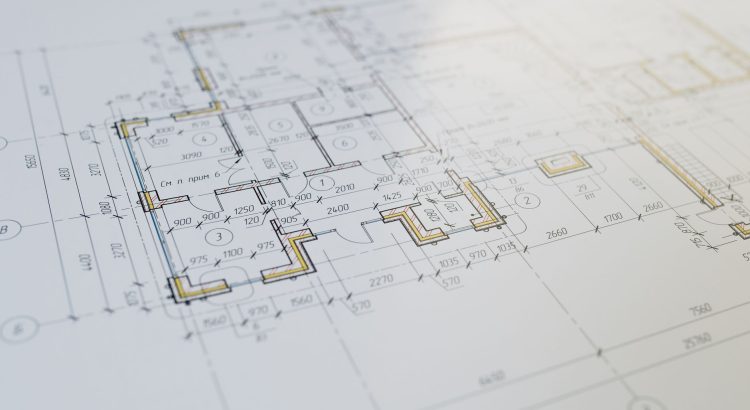
Every commercial property has a different layout, operating schedule, workforce, and security requirement. Because of these differences, alarm monitoring should be planned around the actual property rather than treated as a generic service. commercial alarm monitoring connects supported alarm events with a professional response process, helping businesses establish what happens when an alert occurs and responsible personnel are not immediately available.
Jump To
- Start With the Property
- Define the Signals That Matter
- Review Communication Reliability
- Keep Contact Information Current
- Consider Video and Access Integration
- Plan for After-Hours Events
- Review the System Regularly
Start With the Property
The first step in developing an effective monitoring strategy is understanding the site. Entry points, interior areas, sensitive spaces, equipment locations, and business hours can all influence the security design.
A property assessment can help identify which areas require detection and which events should generate monitored signals. Existing alarm equipment should also be reviewed for compatibility before a monitoring plan is activated.
Define the Signals That Matter
Not every business requires the same type of monitoring. Intrusion signals may be central to one property, while another may need additional awareness of environmental conditions.
Supported systems can provide monitoring for events such as smoke, carbon monoxide, and water leaks, alongside intrusion-related signals. Each event can have its own notification and response instructions when supported by the equipment and selected plan.
This makes it important to distinguish between detection and response. A sensor identifies a condition, while the monitoring process determines how that condition should be communicated and handled.
Review Communication Reliability
The communication path between an alarm system and the monitoring team is a critical part of the overall design. Compatible cellular communication can help transmit alarm signals when internet service is unavailable. Battery backup can also support certain alarm functions during a power interruption.
Businesses should confirm communication capabilities during installation or system modernization. Coverage, equipment compatibility, battery condition, and configuration can all influence system performance.
Keep Contact Information Current
A monitoring plan depends on accurate response information. Businesses should maintain an up-to-date list of authorized contacts and ensure that monitoring personnel have clear instructions for different event types.
Changes in management, staffing, or property responsibilities can make older contact information unreliable. Regularly reviewing the response plan helps keep the monitoring process aligned with current business operations.
Consider Video and Access Integration
Alarm monitoring can become more informative when connected with other commercial security technologies. Access control can help manage who enters designated areas, while video surveillance can provide visual information around selected events. Integrated systems can give authorized users a broader view of activity across a property.
Video verification may also support event assessment where compatible equipment and service arrangements are available. This does not replace the monitoring response plan, but it can provide additional context during an incident.
Plan for After-Hours Events
An important purpose of professional monitoring is maintaining a response process when employees are not on site. Businesses should establish what happens when an alarm activates outside normal operating hours, including who should be contacted and when emergency assistance should be requested.
Clear instructions reduce uncertainty and help monitoring personnel follow the business’s preferred response procedure.
Review the System Regularly
Security needs can change as a business expands, relocates equipment, modifies access points, or changes operating schedules. Monitoring plans should therefore be reviewed whenever there are meaningful changes to the property or its operations.
Professional alarm monitoring is most effective when the technology, communication path, contact list, and response procedures work together. By planning these elements as a unified system, businesses can create a more organized approach to security and maintain clearer oversight of important events.
What You Need to Know
- Alarm monitoring should be tailored to each commercial property based on its unique layout, operating schedule, and security needs.
- A comprehensive property assessment is essential to identify critical areas for detection and appropriate alarm events that necessitate monitoring.
- Communication reliability between the alarm system and the monitoring team is vital, with compatible cellular communication and battery backups recommended for system resilience.
- Maintaining an updated list of authorized contacts is crucial for a monitoring plan to ensure clear communication and effective responses to incidents.
- Integrating alarm monitoring with other security technologies, such as access control and video surveillance, enhances the information available during an event.
- Monitoring plans should be regularly reviewed and updated in response to changes in the business’s operations or security requirements.