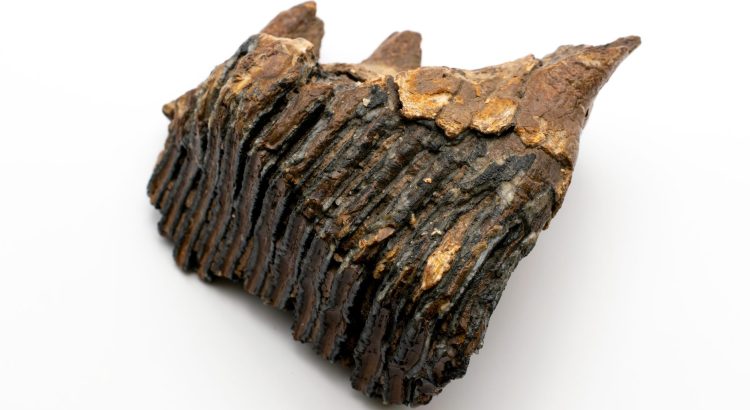
mammoth tusk patterns have been revealed as a fascinating technique used by cavemen to create unique art. New research uncovers the artistic methods of our ancient ancestors, showcasing their creativity and skill.
The Discovery of Mammoth Tusk Patterns
Recent discoveries have shed light on the fascinating world of prehistoric art, particularly the use of mammoth tusk patterns by early humans. Archaeological findings indicate that cavemen skillfully utilized mammoth tusks to create intricate designs, showcasing their artistic capabilities and understanding of materials.
Researchers have unearthed various mammoth tusks in regions known for early human habitation. These tusks often exhibit unique patterns that suggest they were not merely functional objects but served a significant role in artistic expression. The intricate carvings and markings found on these tusks are believed to reflect the cultural and social contexts of the time.
Key points from the research include:
- The discovery of multiple tusks with similar patterns suggests a shared artistic tradition among cavemen.
- Advanced techniques used in carving indicate a deep understanding of the material properties of the tusks.
- Mammoth tusk patterns may have had symbolic meanings, representing identity or community.
This groundbreaking research underscores the importance of mammoth tusks in uncovering the artistic practices of our ancient ancestors.
How Cavemen Created Unique Art
Recent research has shed light on how cavemen created unique art using mammoth tusk patterns. These ancient artists demonstrated remarkable creativity and skill in their work, utilizing the natural beauty of mammoth ivory to craft intricate designs.
Archaeologists discovered that cavemen employed various techniques to enhance the aesthetic appeal of their artwork. These included:
- Carving: Detailed patterns were carved into the surface of mammoth tusks, often reflecting the environment and animals around them.
- Inking: Some tusks were adorned with pigments made from natural materials, adding vibrant colors to their designs.
- Polishing: The polishing of tusks not only highlighted the natural patterns of the ivory but also created a smooth finish that enhanced the overall appearance.
Researchers believe that the unique mammoth tusk patterns served not only as artistic expressions but also as cultural symbols within their communities. This insight into cavemen’s artistic techniques provides a deeper understanding of their social and cultural practices.
The Significance of Prehistoric Art
The significance of prehistoric art extends beyond mere decoration; it provides crucial insights into the lives and environments of our ancestors. The recent discovery of mammoth tusk patterns has shed light on the artistic capabilities of cavemen, revealing their sophisticated understanding of materials and techniques.
These ancient artists utilized mammoth tusks not only as a medium for expression but also as a means to communicate their experiences and beliefs. The patterns etched into the tusks suggest a deep connection to their surroundings, reflecting the animals they hunted and the landscapes they inhabited.
Moreover, the discovery of these patterns has implications for understanding social structures within prehistoric communities. The shared knowledge of art techniques could indicate collaboration and cultural exchange among groups, emphasizing the role of art in fostering social bonds.
- Art as a form of communication
- Connection to nature and environment
- Collaboration within prehistoric communities
Overall, the study of mammoth tusk patterns enhances our appreciation for the cognitive and creative capabilities of early humans.
Exploring Ancient Techniques
Recent studies have revealed fascinating insights into how ancient humans utilized mammoth tusk patterns to create intricate art pieces. These patterns were not merely random; they reflect the aesthetic choices and cultural expressions of early societies.
Researchers have identified several techniques used by cavemen to carve and embellish the tusks, which were often intricately detailed and symbolically significant. The following methods have been highlighted:
- Engraving: Early artists meticulously engraved designs into the ivory, showcasing their skill and creativity.
- Polishing: The surfaces were polished to enhance the beauty of the tusk, making the art not only visually striking but also tactile.
- Coloring: Some findings suggest that pigments may have been used to add color to the engravings, providing a vibrant contrast to the natural ivory.
These techniques demonstrate a sophisticated understanding of materials and artistry among prehistoric peoples, making the study of mammoth tusk patterns an essential aspect of exploring our shared human heritage.
New Research Findings
Recent research has shed new light on the artistic techniques employed by prehistoric humans, particularly in their use of mammoth tusk patterns. This groundbreaking study, conducted by a team of archaeologists, involved the analysis of various tusks found in ancient sites across Europe and Asia.
Through advanced imaging technology and chemical analysis, researchers discovered that these tusks featured intricate patterns that were not merely decorative but held significant meaning. The study revealed that early humans skillfully manipulated the natural textures and colors of the tusks to create striking visual narratives.
Furthermore, the findings suggest that these artistic expressions were not isolated incidents but part of a broader cultural practice. The use of mammoth tusk patterns indicates a sophisticated understanding of materials and a deep connection to their environment.
These revelations contribute to our understanding of prehistoric art, highlighting the ingenuity of early humans. The study invites further exploration into how these ancient techniques might have influenced later artistic traditions.
Implications for Understanding Culture
The discovery of mammoth tusk patterns has profound implications for our understanding of prehistoric culture. These patterns not only demonstrate the artistic capabilities of early humans but also hint at the complex social structures and cognitive skills that existed during that time.
Researchers suggest that the use of mammoth tusks in art was more than just a creative outlet; it was likely a communal activity that fostered social bonds among groups. This shared artistic endeavor might have served to strengthen identity and belonging within small communities.
Moreover, the intricate designs found on these tusks reflect a rich symbolic language, indicating that cavemen were not only skilled artists but also had a deep appreciation for storytelling and communication. The ability to convey ideas through art may have played a crucial role in the transmission of knowledge and cultural practices across generations.
- Artistic expression: A reflection of social cohesion.
- Symbolism: Insight into cognitive development.
- Knowledge transfer: Cultural continuity through art.
Ultimately, understanding these mammoth tusk patterns enriches our view of early human life and their connection to the world around them.
Future Studies on Ancient Art
As researchers continue to delve into the artistic practices of early humans, future studies on ancient art are poised to uncover even more about the significance of mammoth tusk patterns. These patterns not only provide insight into the creativity of our ancestors but also reveal the cultural context in which they were created.
Upcoming research will focus on several key areas:
- Advanced Imaging Techniques: Utilizing modern technology such as 3D scanning and imaging could allow scientists to analyze the intricate details of mammoth tusk patterns, revealing hidden techniques used by cavemen.
- Comparative Analysis: By comparing tusk patterns across different regions, researchers aim to identify potential trade routes and cultural exchanges among prehistoric communities.
- Material Studies: Investigating the materials and tools used in conjunction with mammoth tusks may provide further understanding of the artistic methods employed by early humans.
These studies hold the potential to transform our understanding of prehistoric art, showcasing the complex interplay between art, culture, and environment during the time of the cavemen.
Photo by Nicolas Foster on Pexels